In industrial applications, a portable air compressor is only as reliable as its cooling system. In hot, dusty, or continuous-duty environments, inadequate cooling is the single largest cause of downtime, efficiency loss, and premature component failure. For procurement teams, engineers, and project managers, understanding how professional manufacturers design cooling systems is critical for selecting the right partner.
For a complete overview of professional Portable Air Compressor Manufacturers, see our in-depth guide.
Why Cooling System Design Matters
Portable air compressors are often deployed in harsh conditions:
- High ambient temperatures (40°C / 104°F and above)
- Dust, sand, or particulate-laden intake air
- Continuous operation cycles across long shifts
- Variable load conditions that stress the engine and air end
Without an engineered cooling solution, compressors may:
- Overheat and trigger shutdowns
- Reduce air-end efficiency
- Accelerate oil and component degradation
Professional manufacturers design cooling as an integrated system, not just a radiator added on top of an engine.
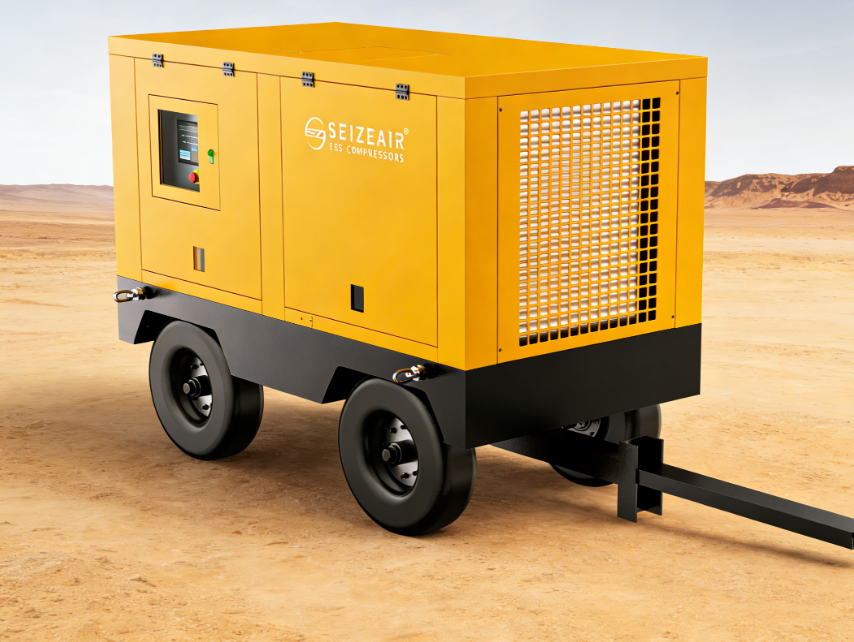
Components of an Effective Cooling System
A robust cooling system involves multiple interdependent components:
- Oversized Radiators: Capable of rejecting heat even at peak ambient temperatures
- Independent Oil & Air Cooling Paths: Prevents cross-contamination and ensures optimal oil viscosity
- Optimized Airflow Channels: Directs air efficiently across heat-sensitive components
- Easy Maintenance Layouts: Facilitates quick cleaning of dust filters, oil coolers, and intake paths
Each design decision is validated through simulation, lab testing, and real-world field trials.
For a deeper discussion on system-level engineering, see our article on Engineering Capabilities of a Portable Air Compressor Manufacturer.
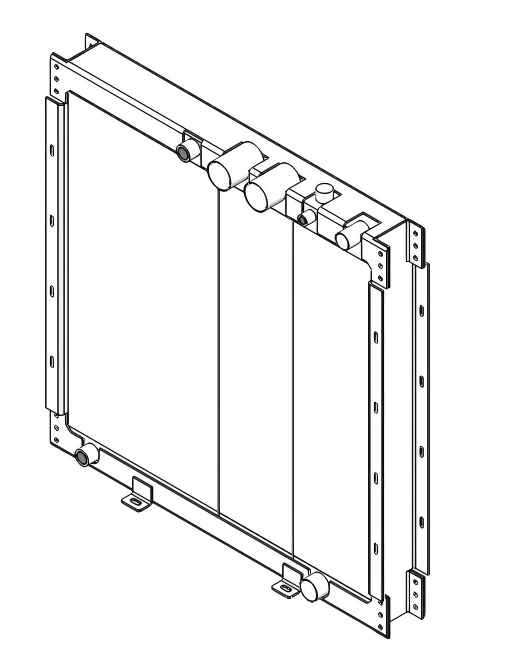
Cooling in Dusty or Sand-Prone Environments
Dust and sand are among the most common environmental challenges:
- Fine particles can clog radiators and filters
- Abrasive materials accelerate wear on air ends and bearings
- Reduced airflow magnifies heat accumulation
Professional manufacturers mitigate these risks by:
- High-capacity air filters with multi-stage filtration
- Easy-to-clean, modular intake paths
- Protective shrouds around radiators and oil coolers
These measures allow compressors to maintain rated airflow and efficiency even in challenging conditions.
Intelligent Control and Thermal Management
Cooling systems are not only about hardware; control logic is equally critical:
- Variable-speed fans adjust according to ambient temperature and load
- Automatic shutdown or derating prevents engine damage
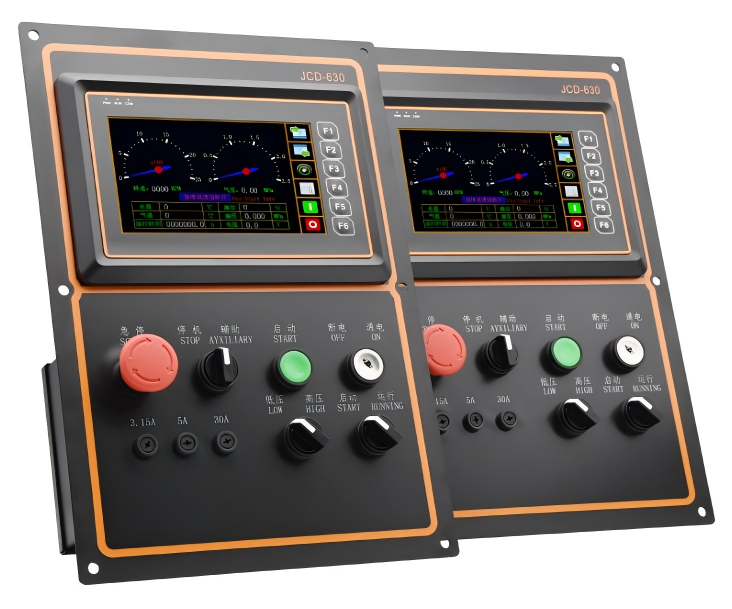
- Integrated diagnostics monitor coolant and oil temperatures in real-time
Proper control ensures that the compressor runs efficiently, safely, and continuously without operator intervention.
Real-World Benefits of Advanced Cooling Systems
Using compressors designed by professional manufacturers with advanced cooling systems results in:
- Reduced downtime in extreme environments
- Consistent airflow under continuous-duty conditions
- Extended component lifespan and lower maintenance costs
- Stable fuel consumption across long shifts
These benefits directly translate to lower total cost of ownership (TCO) and higher project reliability.
Learn more about lifecycle cost and TCO in our Portable Air Compressor Manufacturer Perspective: Total Cost of Ownership Explained.
Selecting a Manufacturer Based on Cooling Expertise
When evaluating portable air compressor manufacturers, ensure they demonstrate:
- Real-world field testing for high-temperature and dusty conditions
- Engineering validation of cooling airflow and heat rejection
- Integration of hardware and control logic for optimal performance
- Clear maintenance accessibility for filters, coolers, and fans
Manufacturers that invest in these areas consistently outperform competitors with generic designs.
Explore our range of portable air compressors designed for harsh environments, or contact our team for application-specific recommendations.