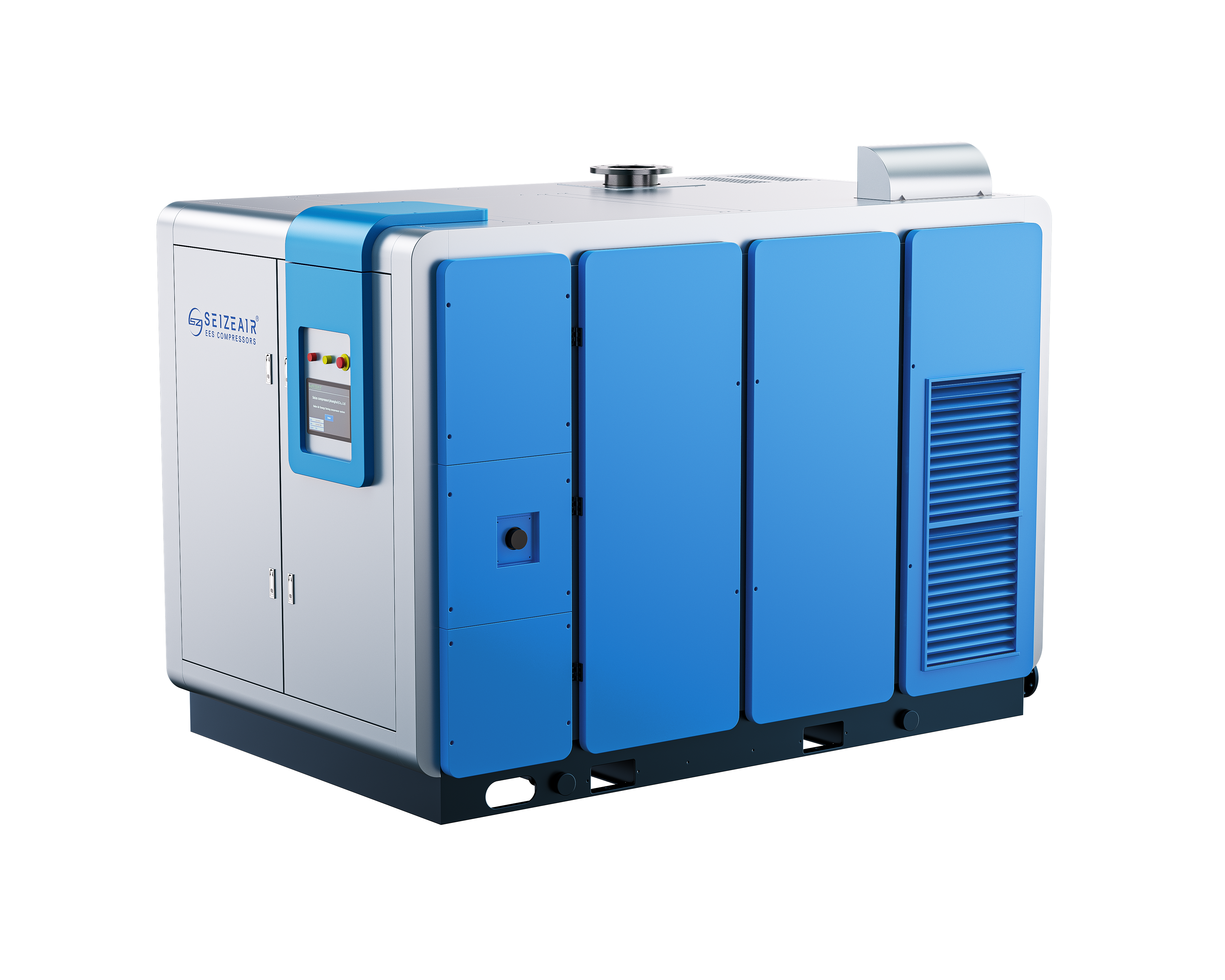
Unplanned Downtime: A compressor failure can halt critical processes. Instrument air loss can force a controlled shutdown of entire furnace sections—a catastrophic event costing hundreds of thousands per hour.
Contamination Risks: Oil or water in the compressed air can corrode pneumatic instruments, cause valve failures, or even contaminate processes in certain finishing stages, leading to product defects and quality control nightmares.
Complex Management: Large plants with multiple compressors often lack centralized, intelligent control, leading to manual, sub-optimal operation and high maintenance labor costs.
The Smart Shift: From Fixed Cost to Controllable Asset
The solution lies in moving from treating air compressors as simple machinery to viewing the entire air system as an integrated, intelligent utility. Here’s how leading plants are making the shift, with actionable steps you can consider.
1. Prioritize True Energy Efficiency, Not Just Nameplate Data
Many brands promise efficiency, but the real test is in the total cost of ownership over years of 24/7 operation.
Look for Core Technology: The heart of efficiency is the compression unit and drive system. For example, SEIZE AIR COMPRESSOR employs a dual-stage compression design paired with IE5 ultra-premium efficiency permanent magnet synchronous motors. This combination tackles the fundamental physics of compression more efficiently, often achieving a comprehensive energy saving rate 25%-30% higher than traditional fixed-speed units. Other major manufacturers like Atlas Copco with its VSD+ technology and Ingersoll Rand also offer advanced variable speed drives focused on partial load efficiency.
Actionable Advice: Don’t just compare initial price. Request a detailed Free On-Site Energy Audit. A reputable provider should analyze your air demand profile, pressure bands, and usage patterns to model potential savings. SEIZE, for instance, builds its service on providing such diagnostic reports and customized selection plans upfront.
2. Demand Uncompromising Stability and Clean Air
In steel production, reliability is non-negotiable. Air quality is equally critical for sensitive instrumentation.
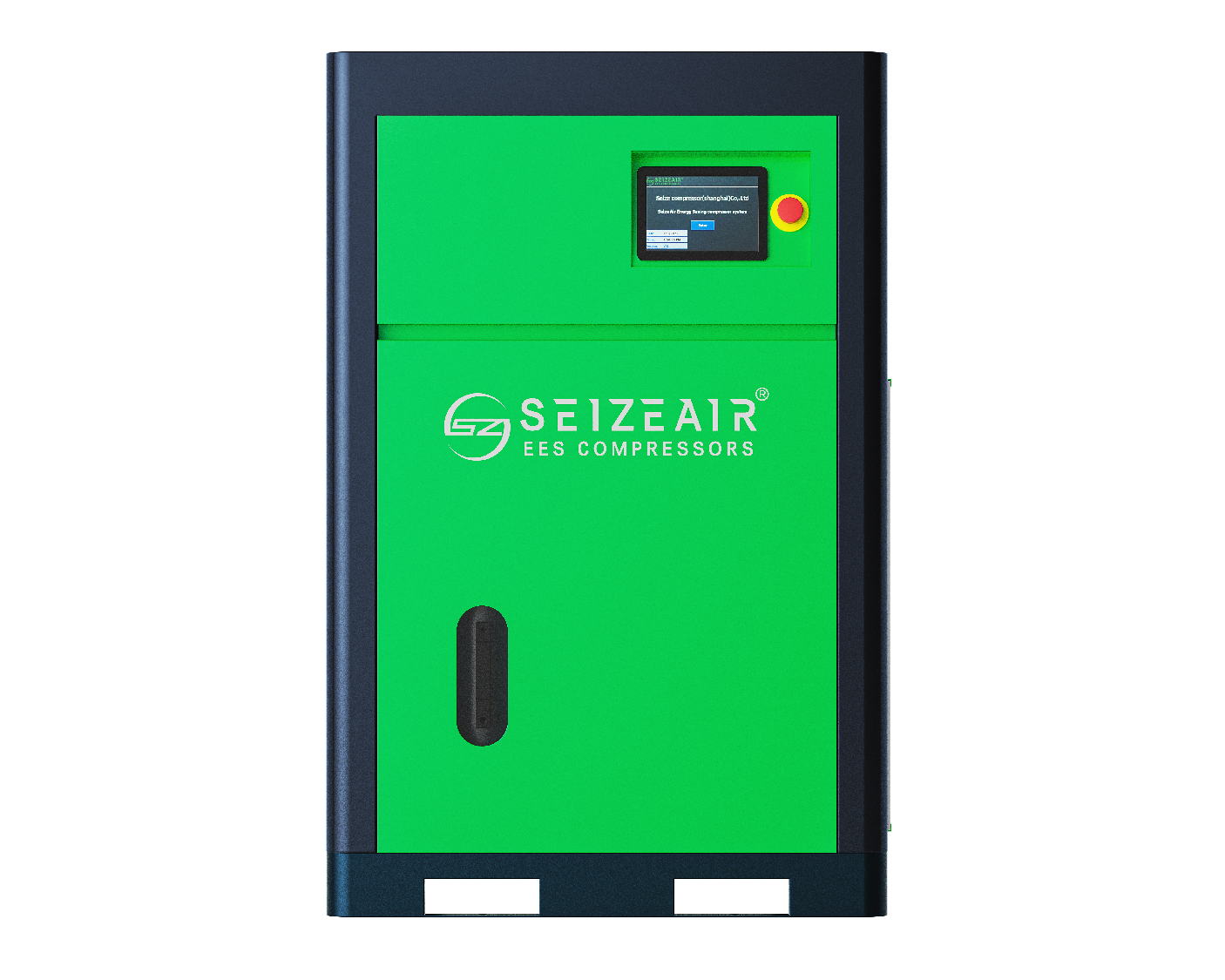
Engineering for Longevity: Stability comes from robust design. Look for features like large rotor units designed for low-speed operation. Lower rotational speeds reduce wear, vibration, and heat generation, directly extending the core component’s lifespan. This is a key focus in SEIZE’s, aiming for decades of reliable service.
Guaranteed Air Purity: For oil-lubricated machines, the oil carry-over rate is crucial. Leading specifications now demand ≤2ppm (parts per million). For processes requiring absolutely oil-free air, , seek compressors with ISO 8573-1 Class 0 certification—the international gold standard guaranteeing 100% oil-free air. Both SEIZE’s oil-free series and giants like Sullair and Gardner Denver provide certified oil-free solutions for the most demanding applications.
Actionable Advice: Clearly define your air quality needs for different plant sections. Insist on certified test data for oil content and ask for case studies of compressors operating in similar high-temperature, dusty steel mill environments.
3. Embrace Digitalization and Proactive Service
The era of reactive, run-to-failure maintenance is over. Smart connectivity is the new baseline.
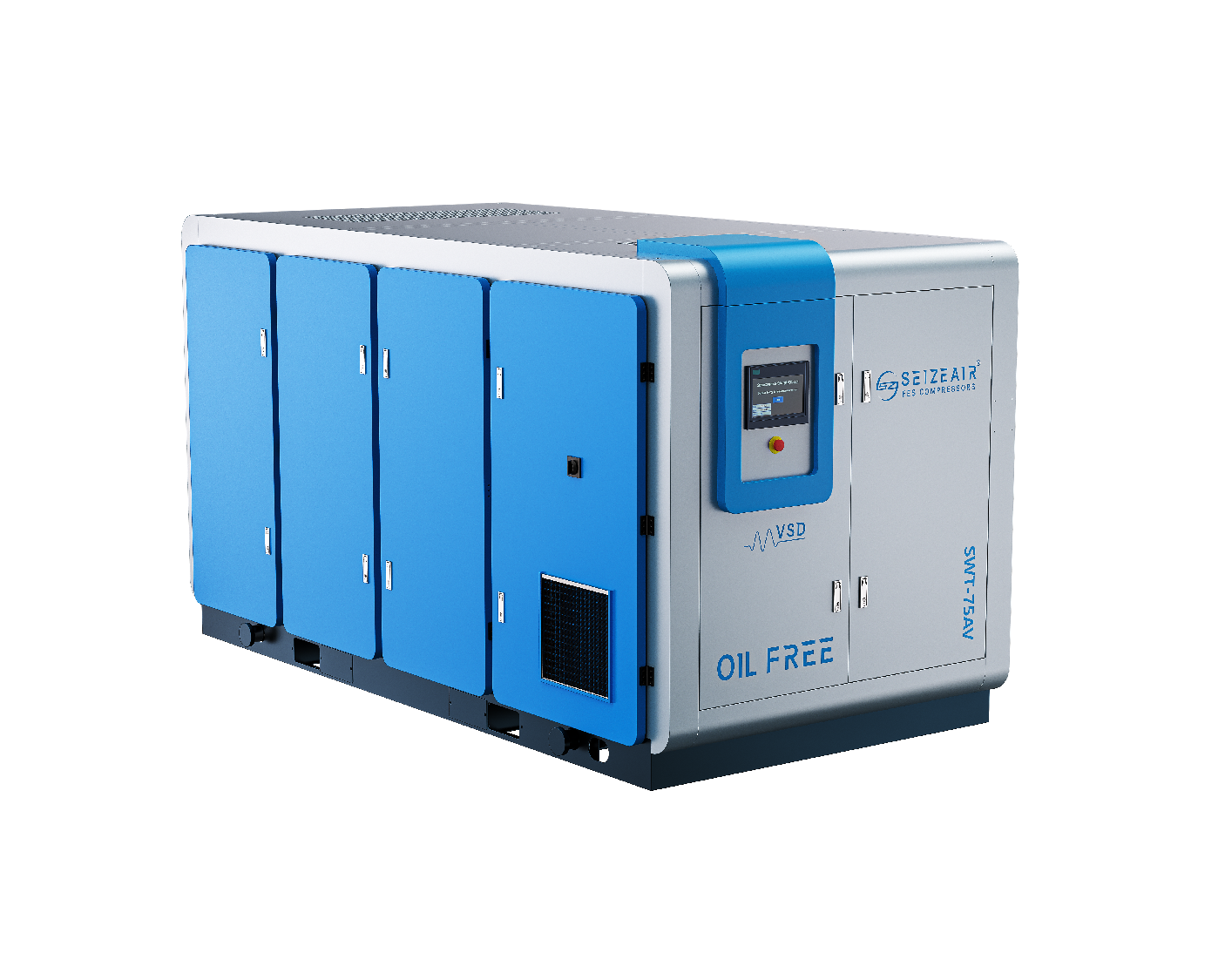
Remote Monitoring & Predictive Care: Modern systems like SEIZE Cloud allow plant engineers to monitor pressure, temperature, energy consumption, and filter status from a dashboard. More importantly, they enable predictive maintenance alerts, warning of potential issues like bearing wear or filter blockage before they cause downtime. Compare this capability across providers; it’s a core service differentiator.
Service That Responds, Not Reacts: A national service network with clear response commitments is vital. Promises like “15-minute response, 2-hour on-site dispatch, 24/7 service” (as structured by SEIZE’s network with 300+ points) provide peace of mind. Ensure your provider has the footprint and spare parts inventory to support your location.
Actionable Advice: Ask for a demo of the provider’s IoT platform. Evaluate its user-friendliness, data depth, and alert customization options. Scrutinize the service contract’s response time guarantees and parts availability terms.
4. Explore Flexible Deployment and Financial Models
Not every project fits a standard mold. Modern solutions offer remarkable flexibility.
Containerized Solutions: For new plant expansions, temporary supply needs, or remote sites, containerized air stations are a game-changer. Companies like SEIZE offer these as fully integrated “plug-and-play” units, housing the compressor, dryers, filters, and controls in a soundproofed, climate-controlled container. This slashes installation time and civil work costs. Other specialists like Kaeser also provide robust container solutions.
Innovative Financing: The biggest barrier to upgrading is often capital expenditure. Contract Energy Management (EMC or “Air-as-a-Service”) models are gaining traction. Here, the provider (e.g., SEIZE’s model) owns, installs, and maintains the equipment on your site. You simply pay for the compressed air you use, per cubic meter. This converts a large CapEx into a predictable OpEx, with the provider incentivized to keep the system at peak efficiency.
Actionable Advice: For greenfield projects or temporary demands, seriously evaluate containerized stations. For major system upgrades, request a financial proposal comparing traditional purchase versus an EMC model to see which aligns better with your company’s financial strategy.
A Story of Pragmatic Innovation
The journey of a brand like SEIZE AIR COMPRESSOR mirrors the evolution needed in the industry itself. Starting from a resolve to tackle the high costs and service gaps in a market once dominated by imported brands, its focus has been relentlessly pragmatic: “To make the user’s compressed air cost the lowest in their industry.” This isn’t just a slogan; it’s a design and service philosophy validated by serving over 40,000 customers and accumulating recognition as a National-level “Specialized, Refined, Unique, and Innovative” enterprise. Their path from introducing technology, to substituting imports, and aiming to surpass them, is a case study in focused, customer-driven innovation.
Final Thought: It’s a System, Not Just a Machine
Choosing an air compressor for a steel plant is no longer about buying a standalone machine. It’s about selecting a partner for your industrial air utility. You are investing in a system’s long-term energy footprint, its digital intelligence, and the service ecosystem that supports it.
The question to ask is not merely “What is the price of this compressor?” but “What is the total cost per cubic meter of reliable, clean, compressed air over the next decade?” When you frame the decision this way, the value of integrated energy-saving technology, intelligent monitoring, and comprehensive service becomes crystal clear. In the competitive, energy-intensive world of steelmaking, optimizing this invisible utility is one of the smartest, most impactful investments a plant can make