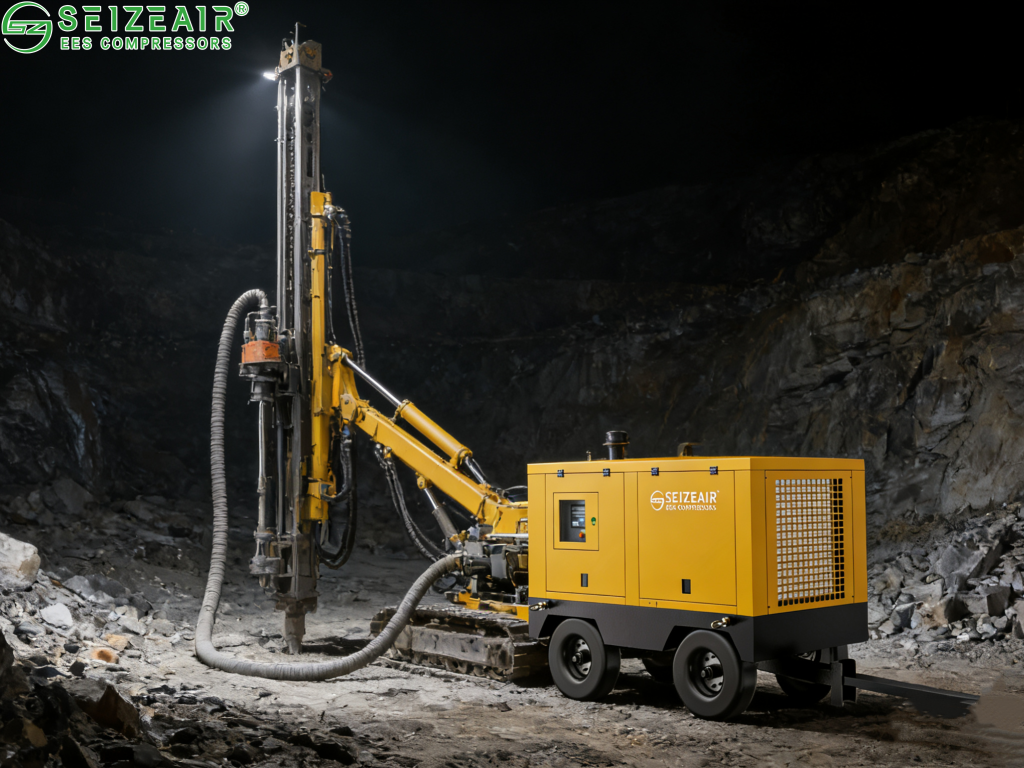
Mining sites rank among the most demanding environments for equipment on Earth, where standard air compressors simply cannot survive such extreme conditions. This article delves into selecting a true mining-grade diesel industrial air compressor. You’ll learn about critical technical specifications, the latest compliance requirements, and practical purchasing strategies. The goal is to ensure your investment can withstand the pressure and keep your operations running smoothly.
1. Unique Challenges in Mining Operations—Why General-Purpose Air Compressors Fall Short?
The mining environment is the ultimate testing ground for industrial equipment. Here, equipment isn’t merely “used”—it’s “consumed.” Air compressors designed for general or intermittent operation will quickly fail.
First, the environment itself is highly aggressive. High concentrations of abrasive dust clog intake filters, infiltrate cooling systems, and accelerate wear on moving parts. Violent vibrations and shocks from nearby blasting and uneven terrain loosen connections and test structural integrity. Temperature fluctuations can plummet from scorching afternoon heat to bitter nighttime cold, challenging start-up performance and material ductility. Most critically, many mines are located in remote areas beyond grid coverage, rendering electric-powered solutions impractical.
This is precisely why diesel industrial air compressors for heavy-duty applications become the only viable choice. Diesel engines deliver exceptional autonomy, eliminating dependence on unreliable or non-existent external power sources. They generate high torque, operate stably during peak demands, and their rugged design philosophy aligns with the harsh realities of mining sites. Durability isn’t a feature—it’s a survival requirement.
Therefore, the core question shifts from “Do I need a diesel air compressor?” to “How do I select a machine that can withstand these extreme pressures and ensure continuous production?” The answer begins with understanding your true requirements.
2. Core Matching: Decoding PSI, CFM, and Mining Equipment Requirements
Selecting the wrong air compressor specifications is the most costly mistake. Pressure (PSI) and flow rate (CFM) are the two core parameters you must understand.
PSI (pounds per square inch) represents the intensity of air pressure. It determines whether your pneumatic tools can operate with sufficient force. For example, a rock drill may require 90-120 PSI to effectively break rock. Insufficient pressure leaves tools lacking power, drastically reducing efficiency.
CFM (cubic feet per minute) represents air flow rate—the compressor’s capacity for “sustained air delivery.” This determines how many devices you can run simultaneously. A compressor with high PSI but low CFM may struggle to power even a single large drill.
For mine managers and procurement officers, translating equipment requirements into specific air compressor specifications is critical. Below is a reference table for mining equipment CFM demands, serving as a quick calculation starting point:
| Mining Equipment | Approximate CFM Requirements (at 90-100 PSI) | Notes |
|---|---|---|
| Handheld Rock Drill | 70-110 CFM | Requirements vary by model and rock hardness. |
| Heavy-Duty Down-The-Hole Drill | 300-900 CFM | Core equipment for large-scale mining operations, with extremely high demand. |
| Grout Injection Machine | 150-250 CFM | Used for tunnel support, requiring continuous and stable air supply. |
| Pneumatic Water Pump | 50-100 CFM | Used for drainage, often requiring prolonged operation. |
Practical Calculation Example:
Suppose a small workface requires simultaneous operation of two handheld rock drills (each requiring 90 CFM) and one shotcrete machine (requiring 200 CFM).
Theoretical total demand = (2 × 90) + 200 = 380 CFM.
However, directly selecting a 380 CFM air compressor is risky. Pipe losses, joint leaks, and equipment efficiency fluctuations all consume air pressure. Industry best practice is to add a 25-30% safety margin.
Therefore, the recommended minimum CFM capacity for the air compressor should be: 380 CFM * 1.25 = 475 CFM.
Selecting a machine capable of delivering at least 475 CFM ensures pressure does not drop when all equipment operates simultaneously, thereby maintaining operational efficiency.
This requires differentiation from scenarios like the best diesel industrial air compressor for construction. Construction sites may prioritize portability and alternating use of multiple tools. In contrast, mining operations, as demonstrated by the calculation, emphasize sustained, stable air supply for multiple high-consumption devices operating simultaneously over extended periods. This “continuous heavy-duty” operating condition marks the dividing line between standard industrial compressors and true mining-grade equipment.
3.Diesel Engines and Emissions Compliance (Key Updates for 2025)
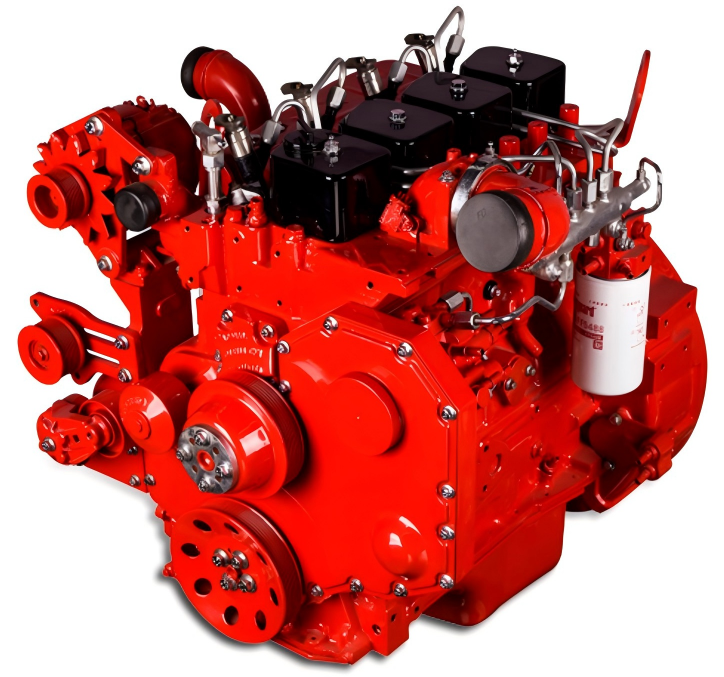
The heart of an air compressor is its diesel engine. Its reliability directly determines the uptime of the entire machine. Renowned brands like Cummins, Doosan, and Volvo have become industry benchmarks not only for their power but also for their global service networks and proven durability. For those operating in remote mining areas, a globally recognized engine brand means easier access to technical support and genuine parts.
However, procurement decisions in 2025 must prioritize emissions compliance. Major global markets have fully implemented Tier 4 Final (U.S.) or Euro Stage V (EU and many other countries) standards. What does this mean for you?
These standards mandate significant reductions in exhaust particulate matter (PM) and nitrogen oxides (NOx). Engine manufacturers achieve this primarily through two aftertreatment technologies:
DPF (Diesel Particulate Filter): Captures soot particles in exhaust gases. DPFs require periodic “regeneration” (burning accumulated particles at high temperatures). Under low-load, prolonged idling conditions common in mining operations, active regeneration may occur more frequently.
DEF (Diesel Exhaust Fluid, also known as AdBlue): Works with SCR (Selective Catalytic Reduction) systems to convert NOx into harmless nitrogen and water. This necessitates DEF fluid storage and management.
Practical tips for managing these systems in remote mining sites:
Operator Training: Ensure equipment operators understand dashboard DPF/DEF warning lights and know how to perform parked regeneration.
Supply Chain Planning: Include DEF in your regular logistics replenishment list, just like diesel fuel.
Selecting the Right Solution: Consult extensively with diesel industrial air compressor manufacturers. Some offer specialized regeneration strategies or more robust aftertreatment designs for extreme conditions, minimizing downtime from regeneration issues.
Understanding and proactively managing your emissions system is critical to ensuring your new air compressor operates continuously, legally, and efficiently through 2025 and beyond. This is no longer optional—it is part of your cost of ownership.
4. Purchasing Decision Framework: 2025 Expert Checklist
Faced with numerous options, how can you systematically make the right decision? Use the following 2025 expert checklist as your structured evaluation tool. This directly addresses professionals’ demand for a practical diesel industrial air compressor buying guide.
A. Defining Requirements and Specifications
What are your maximum CFM and PSI requirements? (Calculate precisely using the method in Section 2)
What is the expected daily operating hours? Is it 8 hours, 16 hours, or 24/7 continuous operation?
What equipment will it primarily drive? (List equipment, refer to CFM chart)
B. Machine Core Analysis
Engine: Brand and model? Does it meet Tier 4 Final / Euro Stage V standards in your operating region?
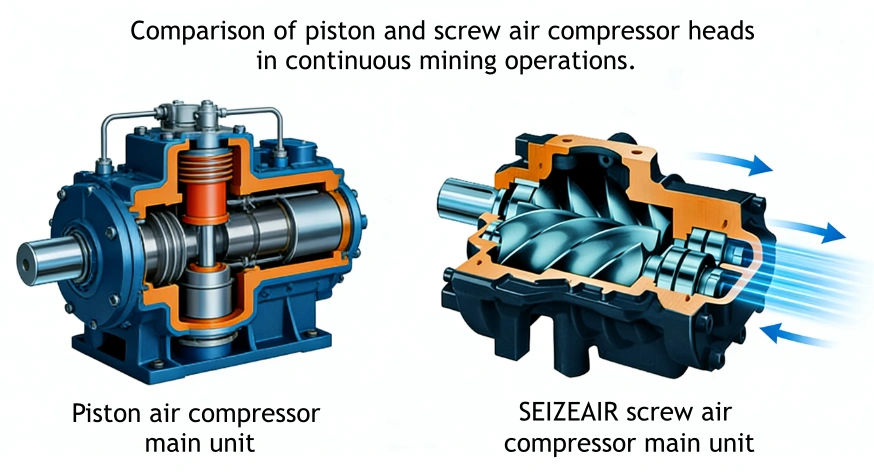
Air Compressor Head Type: Screw or piston? For continuous mining operations, screw compressors are nearly standard due to lower maintenance requirements, higher energy efficiency, and stable air supply.
Controls & Instrumentation: Is the control system intuitive? Does it provide clear displays for critical parameters (pressure, temperature, operating hours, maintenance alerts)?
C. Durability and Design Review
Chassis Frame: Does it feature a heavy-duty steel rollover protective structure (ROPS) design? Are weld points and structural components reinforced to withstand vibration?
Cooling System: Is the radiator sufficiently sized? Does it incorporate dust-proof design or easily accessible cleaning channels for high-temperature, dusty environments?
Protection Rating: Do critical electrical components and controllers possess high IP ratings for dust and water resistance?
D. Supplier and Service Evaluation
Local Support: Does the supplier maintain a technical service team at or near your mining site?
Spare Parts Availability: What is the standard delivery time for common consumables and critical spare parts? Is local inventory maintained?
Service Agreements: Can customized preventive maintenance plans or full-service contracts be provided?
E. Total Cost of Ownership Analysis
Fuel Efficiency: Compare fuel consumption rates (liters/hour) across models under identical loads. Minor differences accumulate into significant cost disparities over thousands of operating hours.
Maintenance Costs: Understand the first major overhaul interval, along with the frequency and cost of routine maintenance items like oil, filters, and coolant.
Expected Lifespan & Residual Value: What is the machine’s designed lifespan under mining conditions? Equipment from reliable brands typically commands higher used market value.
5. Evaluating Manufacturers vs. Suppliers
Understanding the distinction between diesel industrial air compressor manufacturers and industrial diesel air compressor suppliers is critical, as it directly impacts your future operational experience.
Manufacturers (Brand Owners) determine the product’s DNA. Key evaluation points include:
- Product Line Depth: Do they offer specialized product series designed for heavy-duty applications like mining or oil & gas? Or do they only provide generic products?
- R&D and Testing: Has the equipment undergone field testing in extreme environments? Does the manufacturer continuously invest in improving energy efficiency and reliability?
- Global References: Do they have successful references operating in mining sites with similar geographical and climatic conditions?
Suppliers (Local Dealers/Service Partners) serve as your lifeline to the product. Pose these critical questions:
- “Who should I contact when my machine breaks down at 2 AM? What is your emergency response time?”
- “Can you provide comprehensive equipment operation and maintenance training for my team to maximize uptime and prevent operational errors?”
- “Can you supply a typical preventive maintenance checklist and schedule for budgeting and planning purposes?”
A strong supplier is an extension of the robust manufacturer behind them. They should offer full-value-chain services—from selection consulting and financing solutions to delivery, installation, and lifetime technical support.
6. SEIZEAIR Field-Proven: Customer Case Studies
Background and Challenges
Our client is a medium-sized mine located in the Middle East. Their two outdated reciprocating air compressors (totaling approximately 700 CFM) had been in service for over 15 years. The mine faced significant challenges: monthly unplanned downtime exceeding 40 hours due to compressor failures, resulting in a 30% reduction in drilling crew efficiency. High altitude caused engine power loss, fuel consumption was abnormally high, and the outdated equipment completely failed to meet increasingly stringent environmental inspections.
Customized Solutions
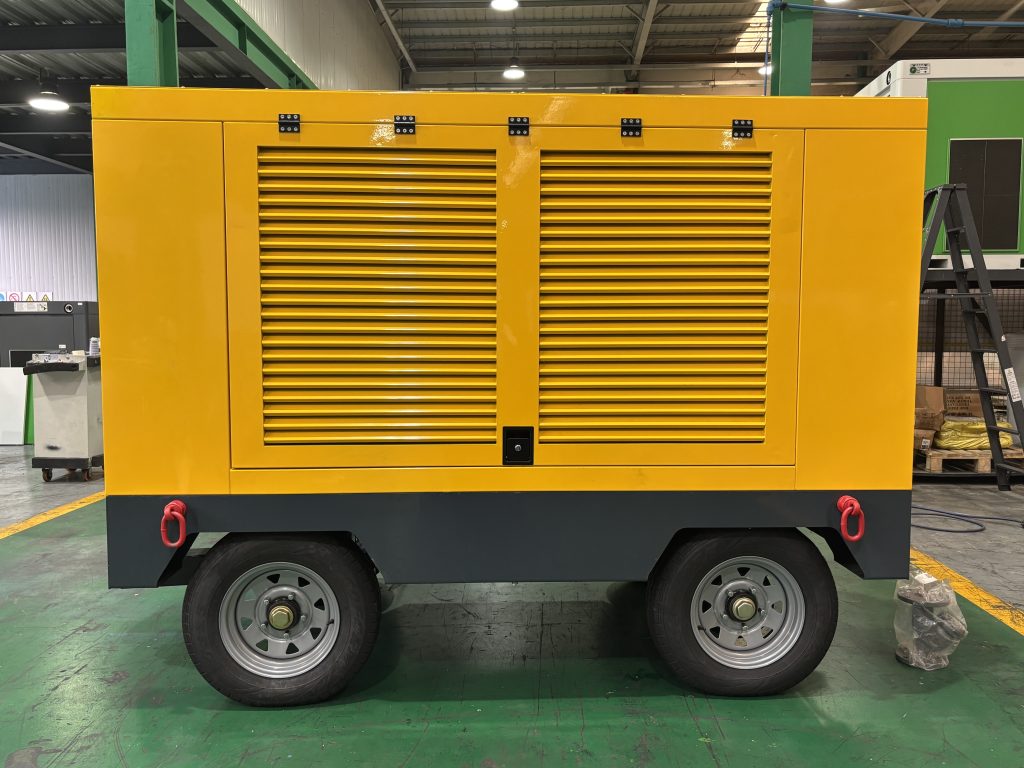
Following on-site inspection and requirements analysis, we recommend replacing and integrating with one SDPT Series Diesel Driven Portable Air Compressor. The configuration rationale is as follows:
- High-Altitude Performance: A turbocharged engine model has been selected, specifically calibrated for performance at altitudes above 3000 meters to compensate for power loss.
- Ensuring Continuous Operation: A single 900 CFM screw-type main unit delivers stable output, not only meeting existing requirements but also providing expansion capacity, fully satisfying the core requirements for a diesel industrial air compressor for heavy-duty applications.
Future-Proof Compliance: Equipped with a complete aftertreatment system to ensure operational compliance.
Implementation and Outcomes Data
The deployment process included specialized training for local engineers, with results becoming evident within the first quarter:
- Efficiency gains: Drilling speed increased by 22% due to stable air pressure, while monthly advance per workface rose by 18%.
- Reliability leap: The new equipment achieved 2,000 hours of continuous operation without failure in its initial phase, reducing unplanned downtime to near zero.
- Cost Savings: Despite being a high-power model, its outstanding fuel efficiency and high-altitude optimization reduced overall fuel costs by 15%. Maintenance expenses are projected to decrease by 40% due to simplified structural design.
Customer Testimonials and Long-Term Value
The mine’s equipment director commented: “This air compressor didn’t just change how we supply air—it transformed how we plan production. Its reliability allows us to make more aggressive schedule commitments.”
This case vividly demonstrates that the right diesel industrial air compressor solution for mining sites delivers value far beyond the equipment itself. By enhancing reliability, efficiency, and cost control, it translates into tangible competitive advantages and operational resilience.
7. Conclusion
Selecting a diesel industrial air compressor for a mining operation is far more than a simple product purchase. It is a strategic decision concerning productivity, reliability, and total cost of ownership. From accurately calculating your PSI/CFM requirements to understanding the latest emissions regulations and thoroughly evaluating manufacturers’ and suppliers’ long-term support capabilities, every step is critical.
A true mining-grade air compressor is the kind of equipment you can almost “forget” on the job site—because it simply does its job reliably day after day, silently underpinning the entire production chain. It breathes through dust, stands firm amid vibrations, and operates autonomously in remote locations as the cornerstone of production.
Now that you possess a comprehensive evaluation framework spanning theory to practice, we recommend:
- Systematically assess your current options using the checklist provided in this article.
- Ask suppliers critical questions about Part 5.
- Request case studies from similar operating conditions to verify performance claims with real-world evidence.
Should you require complimentary technical consultation tailored to your specific application, our engineering team stands ready to assist.
On the path to achieving ultimate reliability and energy efficiency in industrial compressed air solutions, globally leading manufacturers like SEIZEAIR continue to deliver robust power to heavy industries—including mining—through their dedicated focus on reliable and energy-saving screw compressor technology. Wise procurement begins with thorough knowledge. May your next choice withstand the harsh test of time.