Introduction
In industrial operations, selecting the right 210 CFM diesel air compressor can drastically reduce downtime, improve fuel efficiency, and enhance overall productivity. From construction and mining to oil & gas and manufacturing, projects demand consistent airflow, robust performance, and low maintenance requirements.
While many compressors appear similar on paper, differences in engineering design, cooling systems, and continuous-duty capabilities can result in significant variations in performance and total cost of ownership (TCO).
This comprehensive guide covers everything from engineering design, cooling and durability, continuous-duty stability, maintenance, and cost management, to selection criteria and real-world applications. For more technical details, refer to our [Engineering & System Design] page.
1. Engineering & System Design
Optimized System Design for Maximum Performance
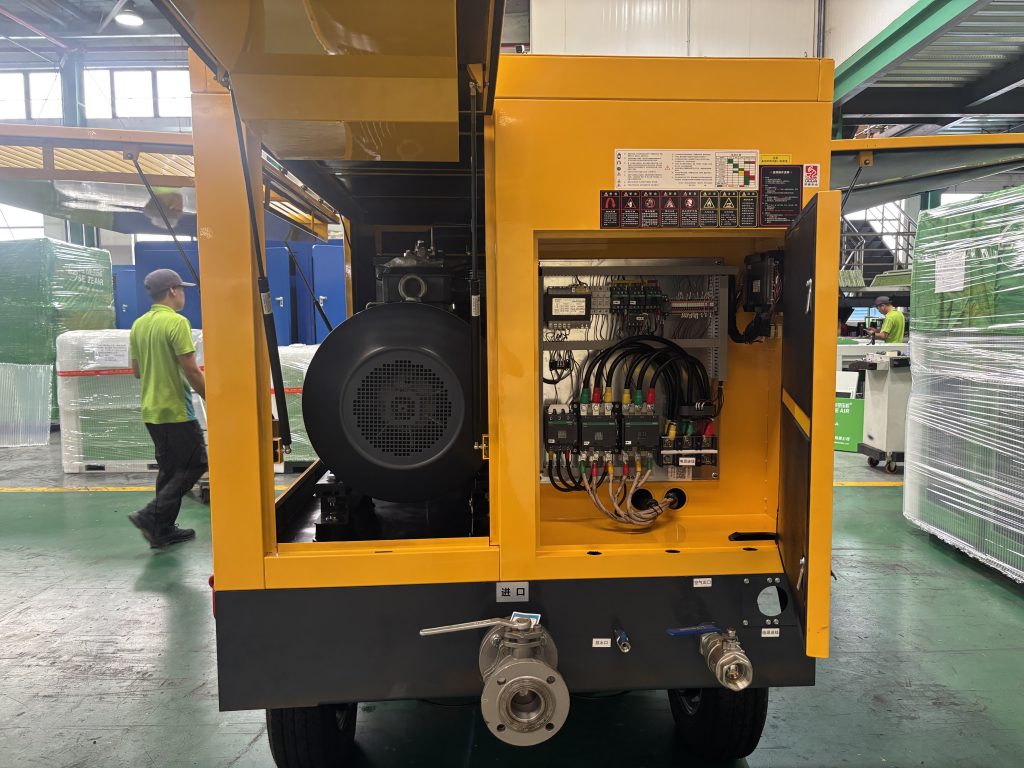
A high-quality 210 CFM diesel air compressor is not merely an engine and air-end assembly; it is a complete engineering solution. Proper system design ensures stability, efficiency, and long-term reliability.
Key Engineering Considerations:
- Engine & Compressor Matching: Align engine torque curves with compressor load profiles to maximize fuel efficiency and airflow stability under varying loads.
- Air-End Design & Customization: Proprietary or customized air ends ensure optimized airflow, reduced vibration, and lower wear rates.
- Structural Integrity & Vibration Reduction: Reinforced housings, vibration isolators, and precision mounting prevent fatigue under continuous operation.
- Control System Integration: Advanced PLC or microprocessor-based controllers optimize load/unload cycles and maintain consistent pressure.
- Noise Reduction Engineering: High-quality compressors integrate acoustic materials and optimized airflow paths to reduce operator fatigue.
图片
Advanced Material Selection & Manufacturing Quality
Engineering excellence is only part of the equation. Material selection, manufacturing discipline, and component sourcing play an equally important role:
- High-Grade Steel & Aluminum Components: Ensure resistance to wear, corrosion, and thermal expansion.
- Global Component Sourcing: Engines, air ends, and controls from reliable suppliers ensure serviceability worldwide.
- Quality Verification: Torque-controlled assembly, pressure testing, and serial traceability reduce operational risk.
2. Cooling System & Durability
Robust Cooling for Continuous Operation
Overheating is a major cause of downtime in 210 CFM diesel air compressors. Industrial units incorporate:
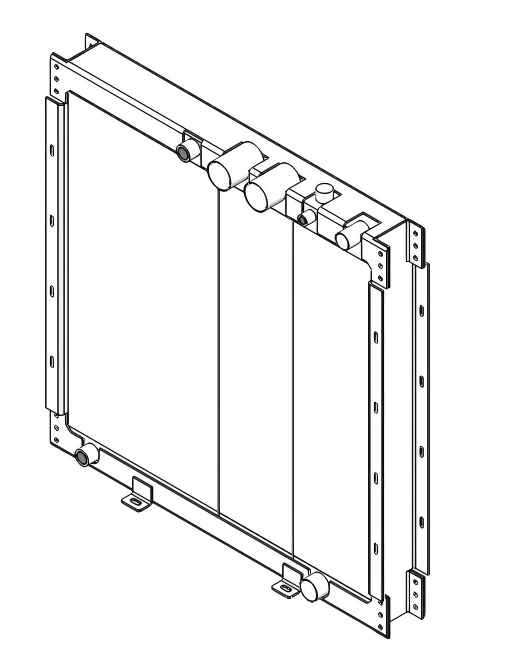
- Oversized Radiators & Heat Exchangers: Maintain optimal operating temperatures even in harsh environments.
- Separate Oil & Air Cooling Paths: Avoid contamination and ensure consistent performance.
- Optimized Airflow Channels: Prevent hotspots in high-temperature or dusty conditions.
- Easy-Clean Layouts: Reduce maintenance time and improve service efficiency.
Cooling System Testing & Real-World Performance
Manufacturers test compressors under extreme conditions to validate cooling performance:
- Simulated high-temperature cycles (up to 50°C ambient)
- Continuous operation at rated airflow
- Dust ingestion tests to validate filter and airflow design
These tests ensure that the compressor maintains rated output in construction sites, mining operations, and remote industrial applications.
3. Continuous Duty & Stability
Maintaining Airflow Under Continuous Load
A 210 CFM diesel air compressor must maintain stable airflow in demanding industrial environments.
Key Features:
- Advanced Load Control Logic: Maintains constant pressure across varying flow requirements.
- Pressure & Temperature Sensors: Ensure real-time adjustments and prevent overload.
- Long-Term Reliability Testing: Simulated 24/7 operation identifies potential failure points.
Applications Requiring Continuous Duty
- Construction Sites: Operating jackhammers, pneumatic tools, and spray systems.
- Mining Operations: Underground and surface equipment requiring steady airflow.
- Oil & Gas Projects: Remote drilling sites demanding reliable compressors for power and instrumentation.
4. Maintenance & Operating Costs
Reducing Downtime & Optimizing Total Cost of Ownership
Proper maintenance maximizes lifespan and reduces operating costs for 210 CFM diesel compressors:
- Regular Oil & Filter Replacement: Essential for engine and air-end longevity.
- Fuel Efficiency Optimization: Proper load/unload cycles reduce fuel consumption by up to 15%.
- Routine Inspection of Belts, Hoses, and Connections: Prevents minor issues from escalating.
- Cooling System Cleaning & Maintenance: Ensures sustained performance in dusty environments.
Cost Analysis & Efficiency
Over a multi-year lifecycle, differences in engineering, cooling, and maintenance strategy can result in substantial savings:
- Premium Tier Units: High initial cost but lower downtime and longer lifespan.
- Mid-Tier Industrial Units: Balanced price-to-performance ratio, suitable for export and multi-regional applications.
- Entry-Level Units: Low upfront cost but higher long-term maintenance and replacement frequency.
5. How to Choose the Right Model
Selection Criteria for 210 CFM Diesel Air Compressors
When choosing a unit, consider:
- Operating Environment: Temperature, dust, altitude.
- Load Requirements: Tools, equipment, or continuous airflow demands.
- Fuel Efficiency & Total Cost of Ownership
- Maintenance & Serviceability: Component availability and global support.
- Compliance & Certification: CE, EPA Tier, export readiness.
- Customization Options: Modular designs for specific industrial tasks.
6. Real-World Applications
- Construction Projects: Powering pneumatic tools, paint spraying, and sandblasting.
- Mining Operations: Underground support systems, equipment operation, and ventilation systems.
- Oil & Gas Sites: Drilling rigs, pipeline maintenance, and portable power supply.
- Industrial Manufacturing: Assembly lines, automation, and tool operation.
长尾关键词覆盖:210 CFM diesel air compressor applications, diesel compressor for mining and construction, industrial portable diesel compressor
7. FAQ Section
Q1: What is the typical fuel consumption of a 210 CFM diesel compressor?
A: Depends on load cycles and ambient conditions—typically 18–25 liters per hour.
Q2: Can it operate continuously in hot or dusty conditions?
A: Yes, with proper cooling system and regular maintenance.
Q3: What industries commonly use 210 CFM diesel compressors?
A: Construction, mining, oil & gas, manufacturing, and industrial maintenance.
Q4: How often should maintenance be performed?
A: Every 250–500 operating hours or per manufacturer recommendations.
长尾关键词覆盖:210 CFM diesel compressor fuel consumption, continuous-duty diesel compressor, industrial diesel compressor maintenance
Conclusion
Selecting the right 210 CFM diesel air compressor ensures stable airflow, reduced fuel costs, high durability, and efficient operations across industrial projects. Focus on engineering design, cooling system robustness, continuous-duty reliability, and proper maintenance to minimize total cost of ownership.
For tailored solutions, explore our [Product Page 内链] or [Contact Page 内链] to get expert recommendations and customized configurations.